From biometric fingerprint readers to mobile-app-based entry, discover the five best access control systems for Nairobi offices with pros, cons, and price ranges in KES.
Controlling who enters your office is one of the most important security decisions you can make as a business owner in Nairobi. Gone are the days when a sign-in book at reception was sufficient. Modern access control systems offer precise, auditable, and convenient ways to manage entry — and there are more options available in Kenya today than ever before.
In this article we compare the top five access control technologies used in Nairobi offices, covering how each works, its advantages and disadvantages, and what you can expect to pay in Kenyan Shillings.
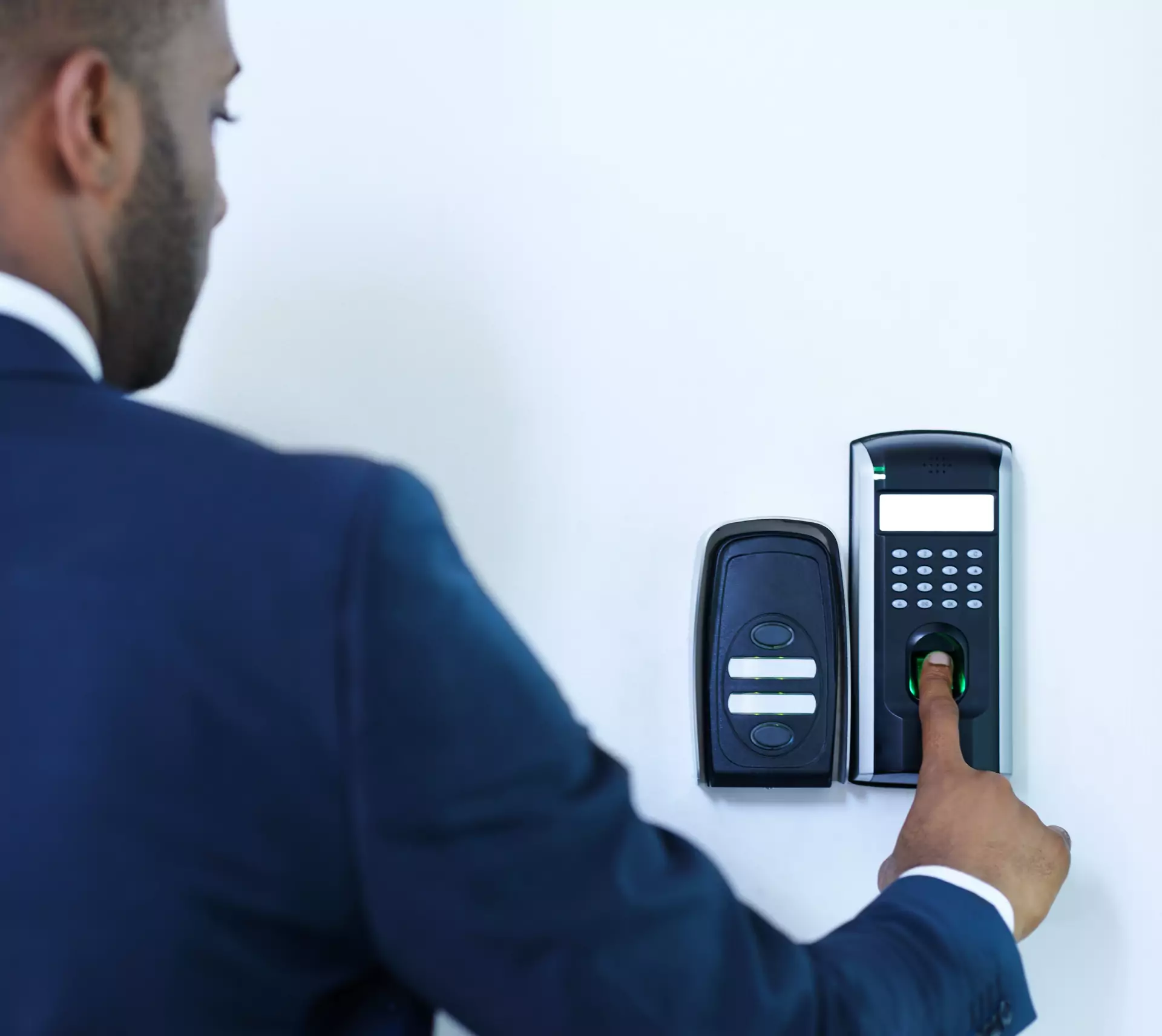
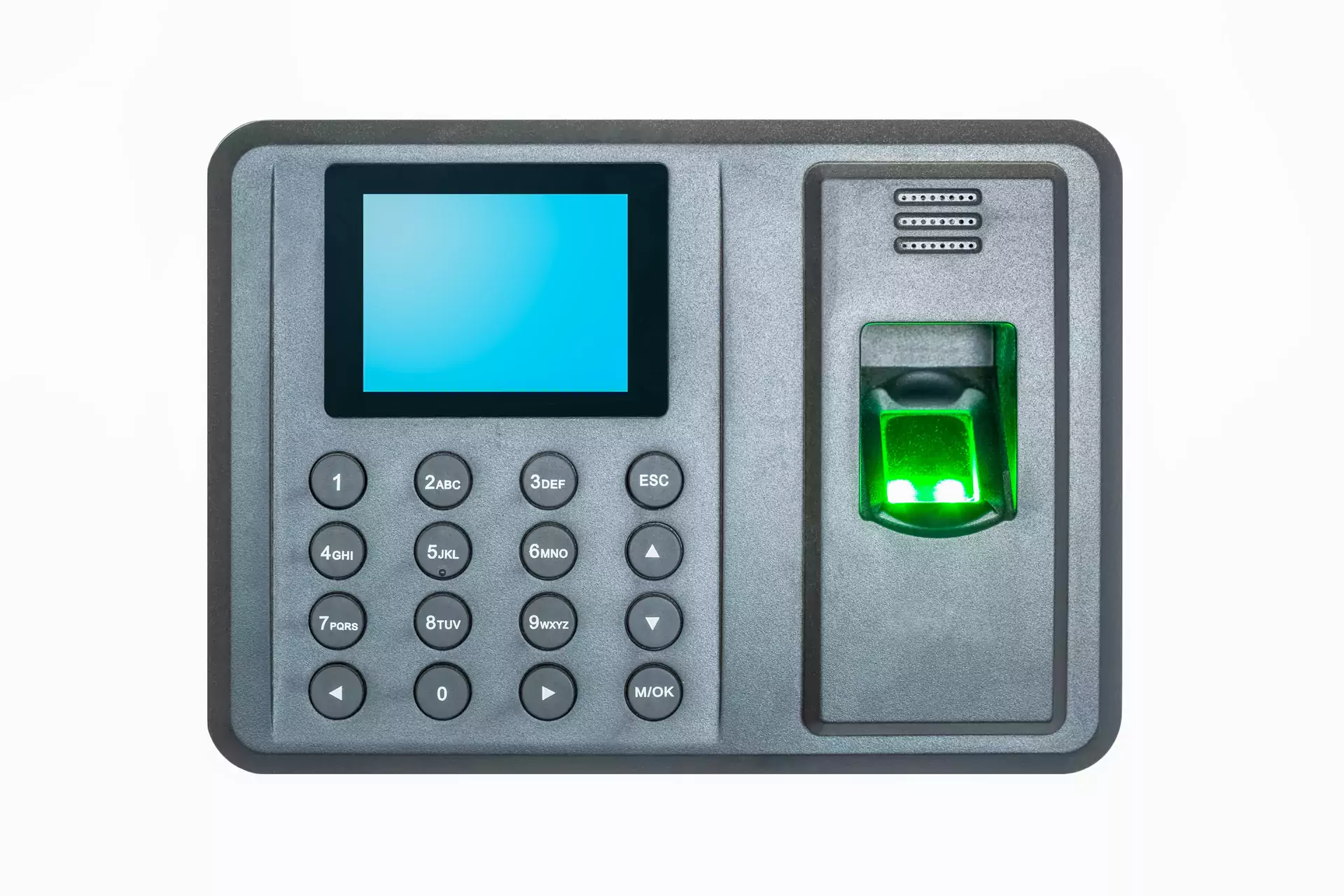
1. Biometric Fingerprint Access Control
Biometric fingerprint readers remain the most popular access control solution in Kenyan offices. They scan and match an employee's fingerprint against a stored template to grant or deny access.
Pros
- Unique to each person — cannot be shared, lost, or forgotten like a card or PIN.
- Doubles as a time-and-attendance system, reducing payroll fraud.
- Fast verification — typically under one second.
- Wide availability of devices and local support in Nairobi.
Cons
- Can struggle with dirty, wet, or worn fingerprints (common in manual-labour environments).
- Some employees may have concerns about biometric data privacy.
- Higher per-unit cost than basic card readers.
Price Range
A single-door biometric access control unit in Kenya costs between KES 15,000 and KES 45,000 depending on the brand and features. Installation and wiring typically adds KES 5,000–10,000 per door.
2. RFID / Proximity Card Systems
RFID card systems use contactless smart cards or key fobs that employees tap against a reader to unlock doors. They are simple, fast, and cost-effective.
Pros
- Very fast — just tap and go.
- Low cost per card (KES 100–300 each), making it economical for large teams.
- Easy to issue temporary cards to visitors or contractors.
- No hygiene concerns — contactless operation.
Cons
- Cards can be lost, stolen, or shared between employees.
- Does not verify identity — only that the correct card is present.
- Replacement cards add ongoing costs.
Price Range
An RFID card reader with controller starts from around KES 8,000–20,000 per door. A complete 4-door system with cards, controller, and installation typically costs KES 60,000–120,000.
3. PIN / Keypad Access Control
PIN-based systems require users to enter a numeric code on a keypad to gain entry. They are the simplest and most affordable access control option.
Pros
- Lowest cost — standalone keypad locks start from KES 5,000.
- No cards or tokens to manage.
- Easy to change codes when employees leave.
Cons
- PINs can be observed, shared, or guessed.
- No individual audit trail unless each user has a unique code.
- Wear patterns on frequently pressed keys can reveal the code over time.
Price Range
A standalone PIN keypad costs KES 5,000–15,000. Networked keypads with software integration cost KES 12,000–30,000 per door.
4. Mobile App / Bluetooth Access Control
A newer category gaining traction in Nairobi, mobile access control uses a smartphone app and Bluetooth or NFC to unlock doors. Employees simply hold their phone near the reader.
Pros
- Extremely convenient — most people always carry their phone.
- Credentials can be issued and revoked remotely via a cloud dashboard.
- Detailed audit logs with timestamps and user identification.
- No physical cards to produce or replace.
Cons
- Requires every user to have a compatible smartphone.
- Dependent on phone battery — a dead phone means no access.
- Monthly subscription fees for the cloud platform (typically KES 500–2,000 per door per month).
Price Range
Hardware costs KES 15,000–40,000 per door, plus monthly software subscriptions. Total first-year cost for a 4-door setup can be KES 100,000–200,000.
5. Facial Recognition Access Control
Facial recognition terminals use a camera and AI algorithms to verify a person's identity by matching their face against enrolled templates. This technology has matured significantly and is now available at reasonable prices in Kenya.
Pros
- Completely touchless — excellent for hygiene-conscious environments.
- Very difficult to spoof with modern liveness detection.
- Can integrate temperature screening (useful for health protocols).
- Impressive user experience — just walk up and the door opens.
Cons
- Higher hardware cost than fingerprint or card systems.
- Performance can be affected by lighting conditions or face coverings.
- Privacy considerations require clear policies and employee consent.
Price Range
A facial recognition terminal costs KES 35,000–80,000 per unit in Kenya. Installation and integration add KES 10,000–20,000 per door.
Which System Is Right for Your Nairobi Office?
The best choice depends on your office size, budget, and security requirements:
- Small offices (under 20 staff) — a biometric fingerprint reader or PIN keypad offers simplicity and value.
- Medium offices (20–100 staff) — RFID card systems or biometric readers with time-and-attendance software.
- Large or multi-tenant offices — mobile app or facial recognition systems provide scalability and centralised management.
- High-security environments — combine two technologies (e.g., fingerprint plus PIN) for two-factor authentication.
At Lance Security, we design and install access control systems tailored to Nairobi offices of all sizes. Whether you need a single biometric reader for a small office or a fully networked multi-door system for a corporate headquarters, our team will recommend the right solution and handle the entire installation.
Ready to upgrade your office access control? Request a free consultation and we will survey your premises, recommend the ideal system, and provide a detailed quotation in KES.
Tags