
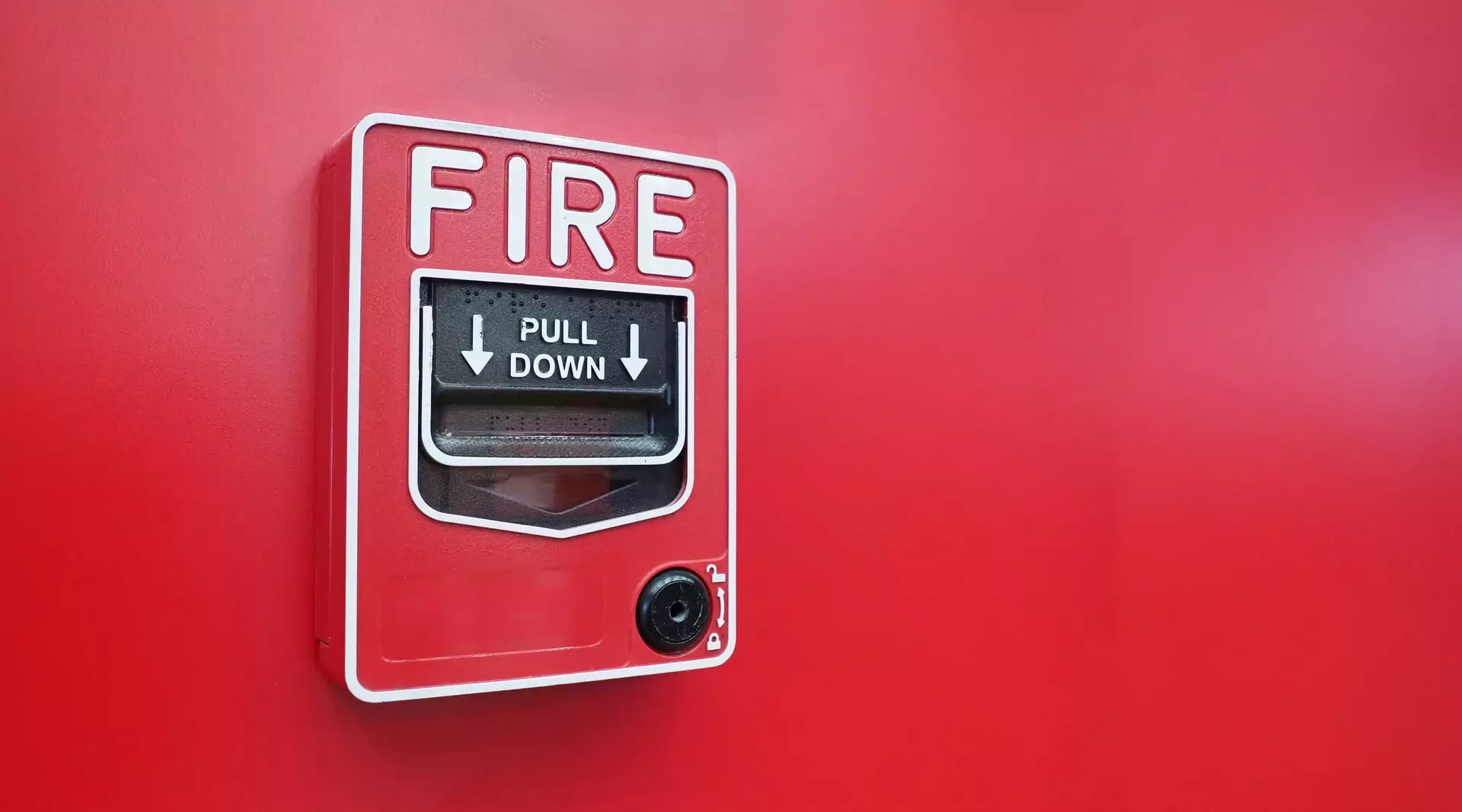
Fire Alarm & Detection Systems
Design, supply, and installation of fire alarm and detection systems compliant with Kenyan safety standards.
A fire alarm system is the backbone of any fire safety strategy. When a fire starts, seconds count — early detection can mean the difference between a contained incident and a catastrophic loss of life and property. Lance Security designs, supplies, installs, and commissions fire alarm and detection systems for commercial buildings, industrial facilities, residential complexes, and institutional properties across Kenya, fully compliant with the Kenya Building Code, the Occupational Safety and Health Act (OSHA 2007), and international standards including BS 5839 and NFPA 72.
Conventional vs Addressable Fire Alarm Systems
Understanding the difference between these two system architectures is essential to choosing the right solution for your building:
Conventional Fire Alarm Systems
In a conventional system, detectors are grouped into zones — typically one zone per floor or section of the building. When a detector activates, the control panel identifies which zone is in alarm, but not which specific detector triggered. The fire warden then investigates that zone to locate the fire. Conventional systems are cost-effective and well-suited to smaller buildings such as shops, restaurants, small offices, and residential blocks where zones are compact and easy to search quickly.
Addressable Fire Alarm Systems
In an addressable system, every device on the loop — every detector, manual call point, and module — has a unique digital address. When a device activates, the control panel displays the exact location (for example, "Smoke Detector — 3rd Floor, Server Room"). This pinpoint identification is critical in large, complex buildings where a zone-based approach would leave wardens searching too large an area. Addressable systems also support advanced features such as pre-alarm warnings (when smoke levels are rising but have not yet reached full alarm threshold), drift compensation (the panel adjusts for gradual sensor contamination), and remote diagnostics. We recommend addressable systems for office towers, hotels, hospitals, universities, shopping malls, and industrial plants.
Core Components
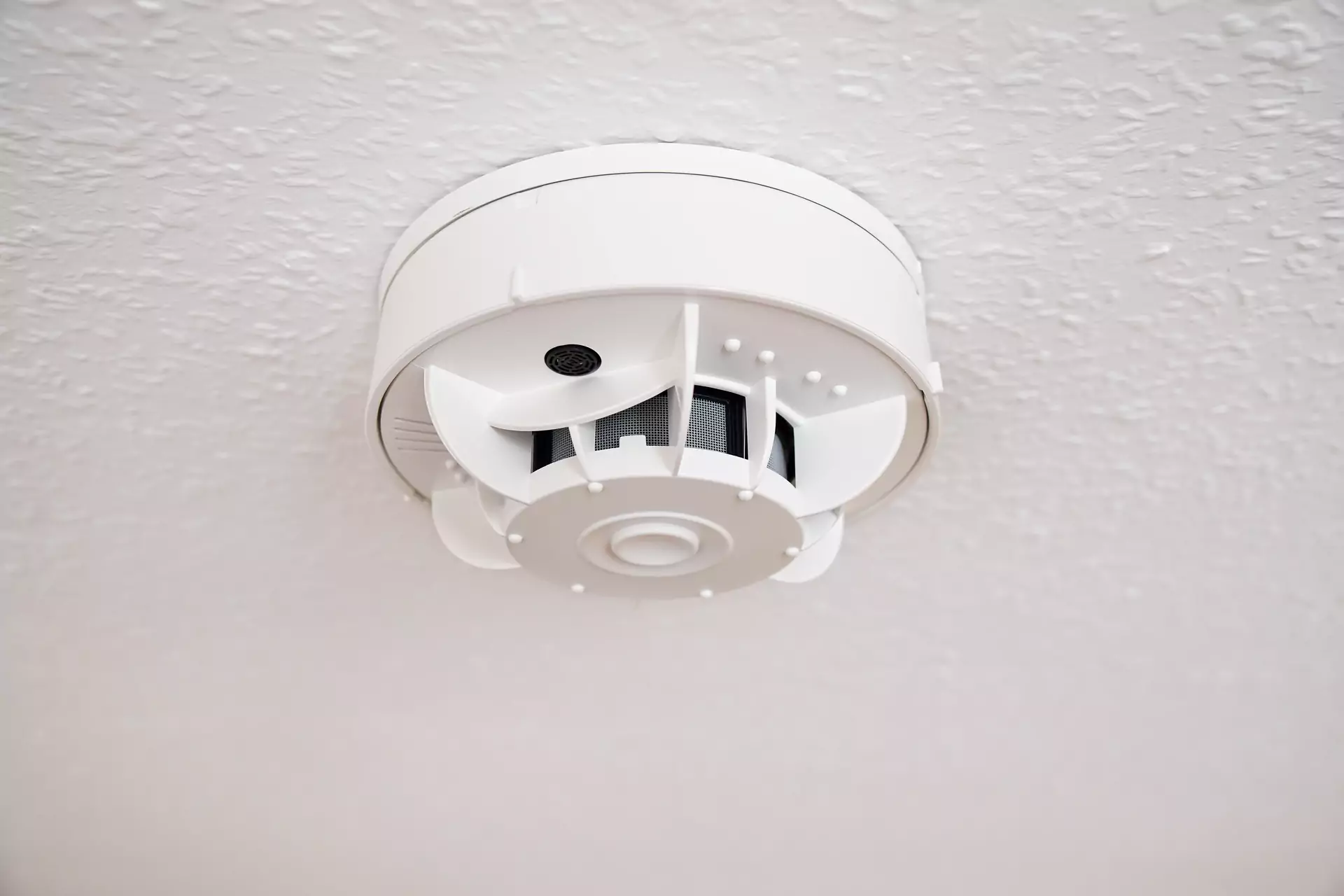
Smoke Detectors
Optical (photoelectric) smoke detectors are the most common type we install. They detect visible smoke particles from smouldering fires — the most frequent fire type in offices and commercial buildings. For environments prone to steam or dust that could cause false alarms (kitchens, workshops), we use heat detectors or multi-sensor detectors that combine smoke and heat sensing for greater accuracy.
Heat Detectors
Heat detectors respond to temperature — either a fixed threshold (typically 57°C or 90°C) or a rapid rate of temperature rise. They are used in kitchens, boiler rooms, laundries, car parks, and other areas where smoke detectors would produce frequent false alarms. Heat detectors are not a substitute for smoke detectors in general areas, but they are an essential complement in specific environments.
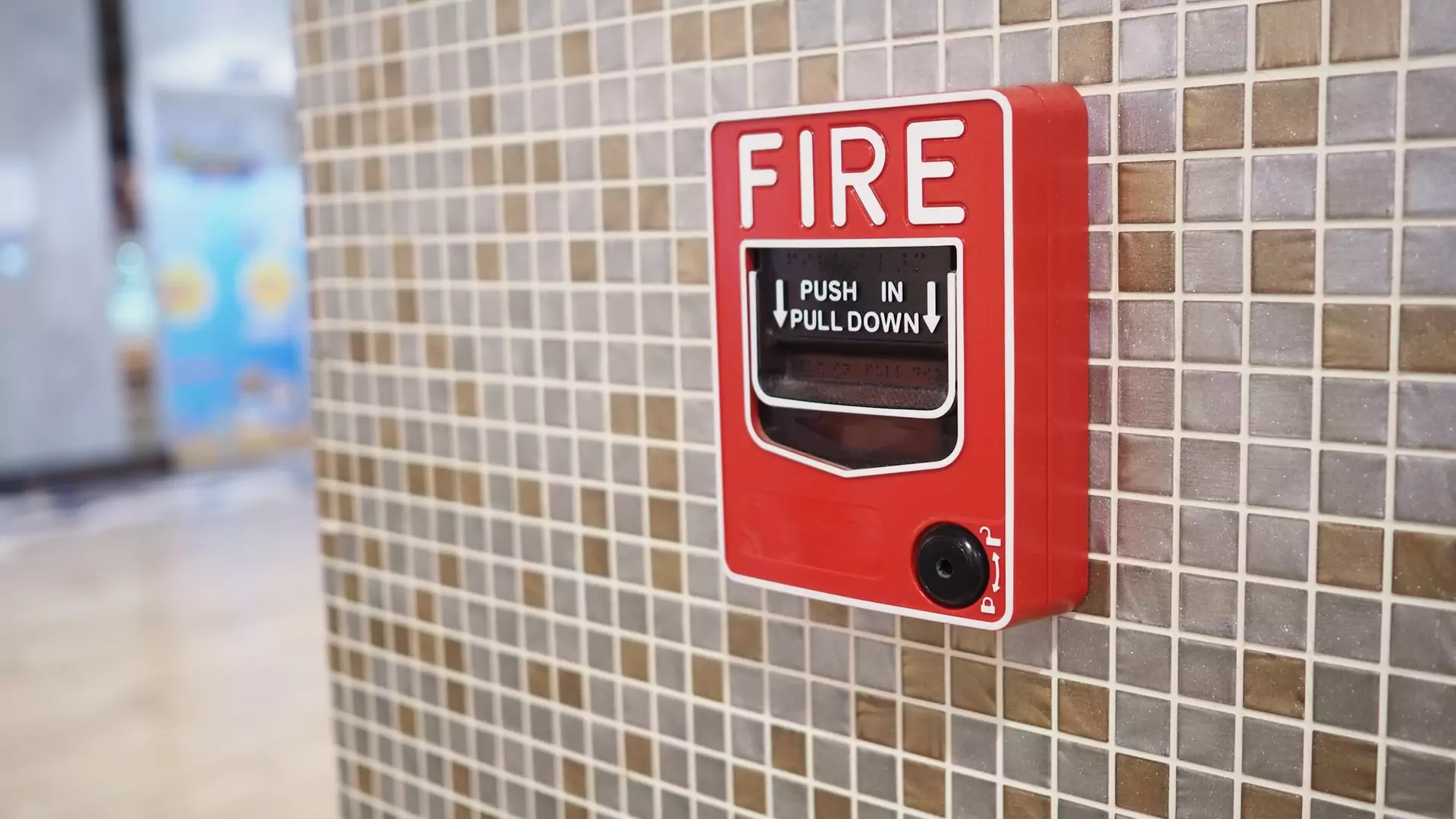
Manual Call Points (Break Glass Units)
Installed at exits and along escape routes, manual call points allow anyone who discovers a fire to trigger the alarm immediately by pressing or breaking the glass element. Kenya Building Code requires manual call points on every floor and at every exit from the building.
Fire Alarm Control Panel
The control panel is the central hub that receives signals from all detection devices, activates sounders and warning devices, sends alerts to the monitoring centre or fire brigade, and interfaces with other building systems (lifts, HVAC, access control, emergency lighting). We install panels from reputable manufacturers with proven reliability and local technical support in Kenya.
Sounders and Visual Alarm Devices
When the alarm triggers, electronic sounders produce a distinctive tone audible throughout the building. In noisy environments (factories, nightclubs) and areas used by hearing-impaired persons, we add visual alarm devices (flashing beacons) to ensure everyone is alerted. Sounder circuits are designed so that the alarm remains audible even if individual devices fail.
Kenya Building Code Requirements
The Kenya Building Code and OSHA 2007 require fire detection and alarm systems in most commercial, institutional, and multi-storey residential buildings. Key requirements include:
- Automatic fire detection in all areas accessible to the public and all sleeping areas in hotels and hostels
- Manual call points at every floor exit and final exit from the building
- Audible alarm coverage throughout the building
- Connection to the fire brigade or a recognised monitoring centre for buildings above certain occupancy thresholds
- Regular testing and maintenance with documented records
- A fire safety certificate from the County Fire Department before occupation
Lance Security ensures every system we install meets or exceeds these requirements. We prepare the documentation needed for fire safety certification and liaise with county fire officers on your behalf during inspections.
System Design, Installation, and Commissioning
- Fire risk assessment — We survey your building, identify fire hazards, assess escape routes, and determine the appropriate system type and detector placement in accordance with BS 5839-1.
- System design — We produce detailed drawings showing detector positions, cable routes, call point locations, sounder coverage, and panel placement.
- Supply and installation — Our fire safety technicians install all equipment, run fire-rated cabling, and connect the system to the control panel.
- Commissioning — Every device is individually tested, alarm cause-and-effect is verified, sounders are measured for adequate decibel coverage, and the full system is signed off.
- Certification and handover — We issue a commissioning certificate, provide as-built drawings, and train your fire wardens on panel operation, alarm response, and basic fault handling.
Ongoing fire alarm maintenance is essential to keep the system compliant and functional. We offer annual maintenance contracts that include quarterly testing visits, 24-hour fault response, and full documentation for your fire safety file.
Protect lives, protect property, and ensure compliance. Request a free fire alarm system assessment and let Lance Security design the right detection solution for your building.
Our Work
Get a Free Fire Risk Assessment
Certified fire safety engineers visit free of charge.
Why Choose Lance Security
Certified Fire Engineers
Licensed professionals on every installation.
Full Regulatory Compliance
All work meets Kenyan fire safety standards.
Free Fire Risk Assessment
No-obligation on-site fire risk survey.
Kenya-Wide Coverage
Rapid response across all 47 counties.
Comprehensive Warranty
All fire safety systems fully covered.
24/7 Emergency Support
Round-the-clock repair and emergency response.
Service Details
- Mon–Fri 8am–6pm
- Saturday 8am–2pm
- Emergency 24/7
- Coverage All 47 counties
Get Your Free Fire Risk Assessment
Our certified fire safety engineers will assess your property and deliver a fully compliant fire safety solution — completely free of charge.
Related Fire Safety Services
Explore more fire safety solutions from Lance Security
Fire Suppression Systems
Automatic fire suppression systems including sprinklers, gas-based, and foam suppression for commercial and industrial buildings.
Learn moreSmoke Detectors
Supply and installation of reliable smoke detectors for early fire warning in homes, offices, and commercial buildings.
Learn moreFire Safety Training
Certified fire safety training courses for staff, including fire drills, extinguisher use, and emergency evacuation procedures.
Learn moreFire Safety Maintenance
Regular inspection and maintenance of fire safety equipment to ensure compliance and operational readiness at all times.
Learn moreFire Retardant Cables
Supply and installation of fire retardant cables that resist flame propagation, ideal for commercial and industrial wiring projects.
Learn moreFire Extinguisher Supply & Refilling
Supply, installation, annual servicing, and refilling of all fire extinguisher types for homes, offices, factories, and commercial buildings across Kenya.
Learn moreFire Safety Audits & DOSHS Compliance
Professional fire safety audits and DOSHS compliance inspections to meet Kenya's OSHA 2007 and Fire Risk Reduction Rules requirements.
Learn moreSprinkler System Design & Installation
Professional design, supply, and installation of automatic sprinkler systems for commercial, industrial, and residential buildings in Kenya.
Learn moreEmergency Lighting & Exit Signage
Design, supply, and installation of emergency lighting systems and illuminated fire exit signs for commercial and institutional buildings in Kenya.
Learn moreFire Hydrant & Hose Reel Systems
Design, supply, and installation of fire hydrant and hose reel systems for commercial, industrial, and multi-storey buildings in Kenya.
Learn moreKitchen Hood Suppression Systems
Supply and installation of wet chemical kitchen hood fire suppression systems for hotels, restaurants, hospitals, and commercial kitchens in Kenya.
Learn moreGas Suppression Systems (FM-200 & CO2)
Clean agent and CO2 gas suppression systems for server rooms, data centres, electrical rooms, and archives in Kenya.
Learn moreFire Safety Consultancy & Risk Assessment
Independent fire safety consultancy, fire risk assessments, fire strategy reports, and emergency evacuation planning for buildings across Kenya.
Learn more