
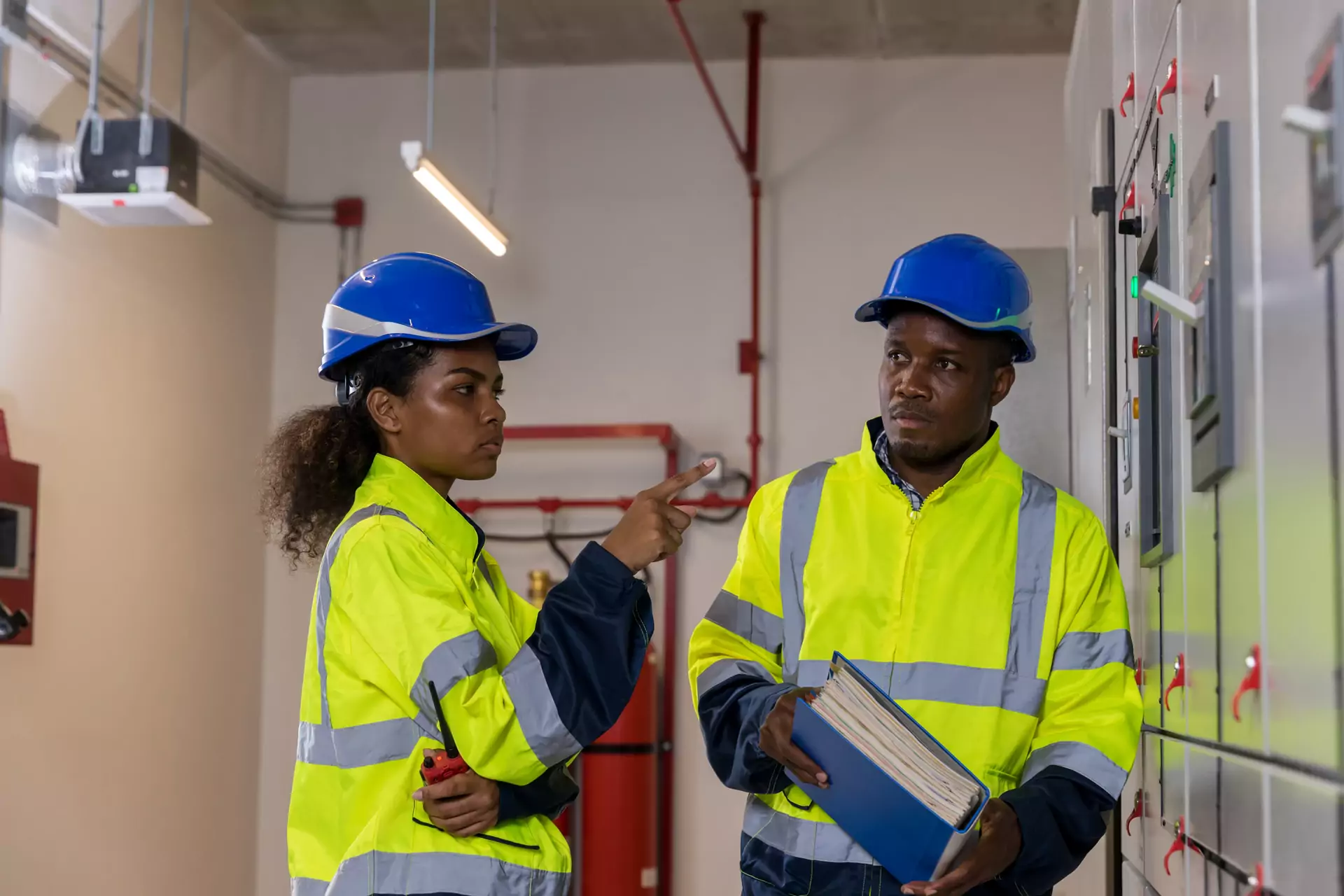
Fire Safety Maintenance
Regular inspection and maintenance of fire safety equipment to ensure compliance and operational readiness at all times.
Fire safety equipment that is not regularly inspected and maintained creates a false sense of security. An extinguisher with a depleted charge, an alarm panel with a silenced fault, or a sprinkler valve that has been accidentally shut will fail you at the worst possible moment. Kenyan law, insurance policies, and basic duty of care all require that fire safety systems are maintained to a professional standard and that records of maintenance are kept. Lance Security provides comprehensive fire safety maintenance services covering every type of fire protection equipment installed in your building.
Testing Schedules
Different fire safety systems require testing at different intervals. We follow the schedules prescribed by BS 5839 (fire detection and alarm), BS EN 12845 (sprinklers), and Kenya's own fire safety regulations:
Weekly
- Fire alarm sounder test — activate the system using a different manual call point each week and confirm all sounders operate. Record the test in the fire log book.
- Visual inspection of escape routes — confirm all fire exits are unobstructed, fire doors close fully, and emergency lighting is functioning.
Monthly
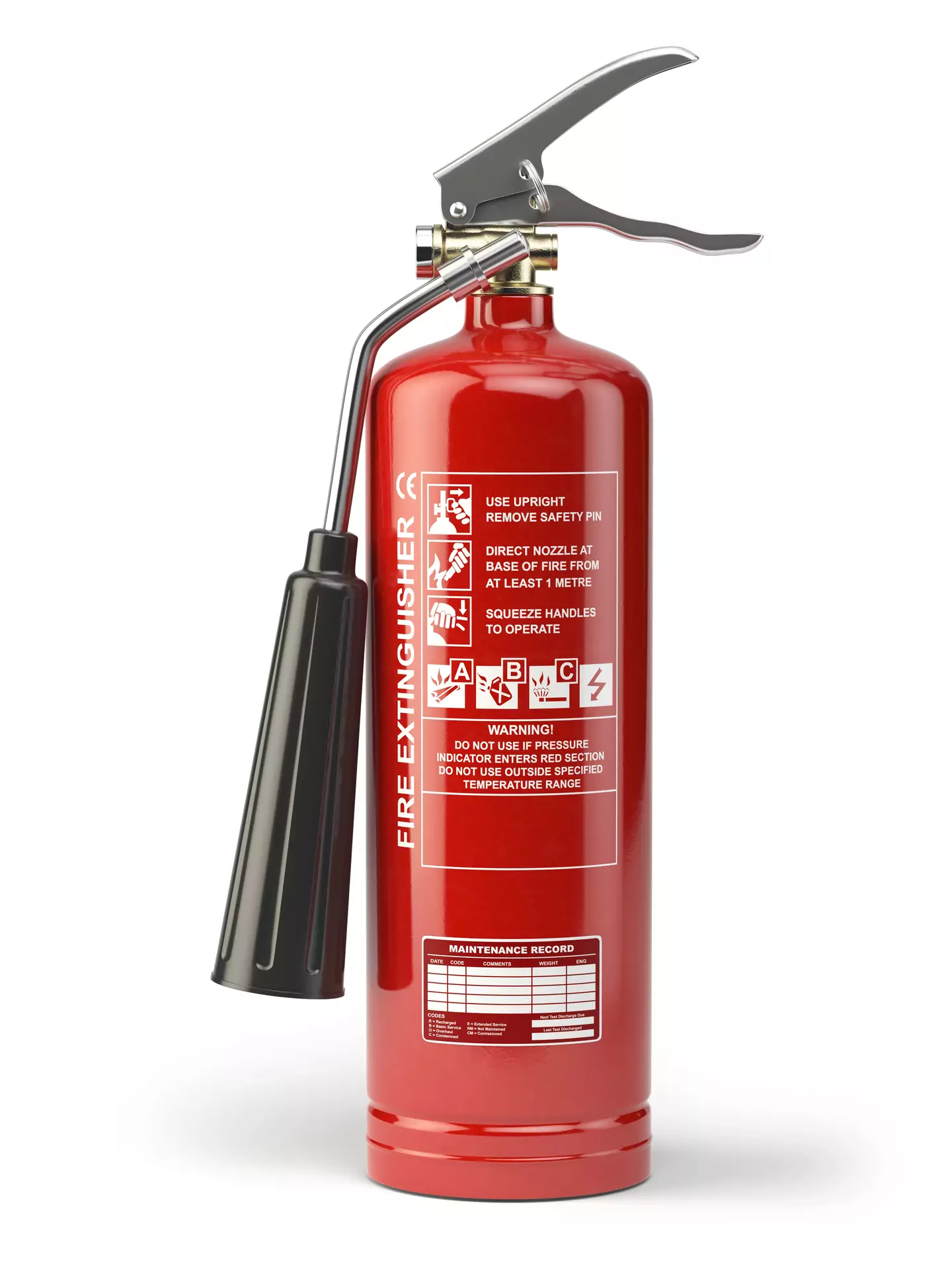
- Fire extinguisher visual check — confirm every extinguisher is in its designated position, the pressure gauge is in the green zone, the safety pin and tamper seal are intact, and there is no visible damage or corrosion.
- Emergency lighting function test — simulate a mains failure and confirm all emergency luminaires illuminate for at least the required duration.
Quarterly
- Fire alarm detector test — test at least 25% of detectors (so that 100% are tested over the year) using approved test methods. Check that the panel correctly identifies the activated device.
- Sprinkler system valve check — confirm all valves are in the correct (open/closed) position and tamper switches are functioning.
Six-Monthly
- Full fire alarm system inspection — test all detectors, manual call points, sounders, and visual alarm devices. Check battery condition, panel logs, and communication links.
- Kitchen hood suppression inspection — check agent levels, fusible links, nozzle condition, and gas shut-off valve operation.
- Gas suppression system check — weigh agent cylinders or check pressure gauges, test detection circuits and release mechanisms, verify room integrity.
Annually
- Full system service by a competent fire safety engineer covering every device, circuit, and component in the installation.
- Emergency lighting full-duration test — run lights on battery for the full rated duration (usually 3 hours) to verify battery capacity.
Fire Extinguisher Servicing
Fire extinguishers are often the first line of response to a small fire, and they must be serviced according to a strict schedule to remain reliable:
Annual Service (Basic Inspection and Maintenance)
- External inspection for dents, corrosion, and damage
- Check operating mechanism, hose, and nozzle for blockages or deterioration
- Verify pressure gauge accuracy
- Confirm agent weight or volume meets the minimum specification
- Replace safety pin and tamper seal
- Attach a new service label showing the date, engineer's name, and next service due date
Extended Service (Varies by Extinguisher Type)
- Water and foam extinguishers — Discharge, inspect internally, replace agent and propellant, pressure test the body every 5 years
- Powder extinguishers — Discharge and replace powder every 5 years (powder can compact and become ineffective over time)
- CO2 extinguishers — Hydrostatic pressure test of the cylinder every 10 years
5-Year Hydrostatic Test
Stored-pressure extinguishers must undergo a hydrostatic pressure test every 5 years to confirm the integrity of the cylinder. This involves discharging the extinguisher, filling it with water, pressurising it to the test pressure (typically 1.5 times the working pressure), and inspecting for leaks or deformation. Extinguishers that pass are refilled and returned to service; those that fail are condemned and replaced.
Fire Alarm Panel Testing
The fire alarm control panel is the command centre of your detection system. During our maintenance visits, we:
- Review the panel event log for faults, false alarms, and disabled zones
- Test mains and battery power supply, including a load test on the standby batteries
- Verify communication to the monitoring centre or fire brigade
- Test cause-and-effect programming — does a detector activation trigger the correct sounders, shut down the correct HVAC zone, release the correct door holders?
- Clean and test every detector and call point on the system over the course of the annual cycle
- Update firmware if manufacturer updates are available
Sprinkler System Inspection
- Visual inspection of all sprinkler heads — check for paint, dust, damage, corrosion, or obstruction. Replace any compromised heads.
- Valve inspection — confirm all control valves are open, locked, and supervised. Test alarm valves and flow switches.
- Pump test (where applicable) — run the fire pump at full flow and verify it meets the design performance.
- Tank inspection — check water level, condition, and heating (if applicable for frost protection, though rare in Kenya).
- Full flow test — annually, discharge water through the most remote test connection to verify that adequate pressure and flow reach the farthest points of the system.
Compliance Records and Documentation
Maintaining proper records is not optional — it is a legal and insurance requirement. Lance Security provides:
- Fire log book entries for every test and inspection
- Service reports detailing all work performed, any defects found, and corrective actions taken
- Certificates of service for fire extinguishers and fire alarm systems
- Compliance summary reports suitable for submission to county fire departments, DOSH inspectors, and insurance underwriters
These records form your fire safety file — the document that demonstrates to authorities and insurers that you are meeting your legal obligations.
Maintenance Contracts
We offer annual fire safety maintenance contracts tailored to the size and complexity of your installation. A typical contract includes:
- Scheduled quarterly or six-monthly maintenance visits
- Annual fire extinguisher servicing
- Annual fire alarm full system test
- Priority emergency callout for system faults
- Full documentation and compliance reporting
- Discounted replacement parts and consumables
All contracts are priced in KES with clear, transparent terms. We service buildings in Nairobi, Mombasa, Kisumu, Nakuru, Eldoret, and other major towns across Kenya.
Do not let your fire safety equipment deteriorate into a compliance liability. Request a fire safety maintenance quotation from Lance Security and ensure your building stays protected and fully compliant.
Our Work
Get a Free Fire Risk Assessment
Certified fire safety engineers visit free of charge.
Why Choose Lance Security
Certified Fire Engineers
Licensed professionals on every installation.
Full Regulatory Compliance
All work meets Kenyan fire safety standards.
Free Fire Risk Assessment
No-obligation on-site fire risk survey.
Kenya-Wide Coverage
Rapid response across all 47 counties.
Comprehensive Warranty
All fire safety systems fully covered.
24/7 Emergency Support
Round-the-clock repair and emergency response.
Service Details
- Mon–Fri 8am–6pm
- Saturday 8am–2pm
- Emergency 24/7
- Coverage All 47 counties
Get Your Free Fire Risk Assessment
Our certified fire safety engineers will assess your property and deliver a fully compliant fire safety solution — completely free of charge.
Related Fire Safety Services
Explore more fire safety solutions from Lance Security
Fire Alarm & Detection Systems
Design, supply, and installation of fire alarm and detection systems compliant with Kenyan safety standards.
Learn moreFire Suppression Systems
Automatic fire suppression systems including sprinklers, gas-based, and foam suppression for commercial and industrial buildings.
Learn moreSmoke Detectors
Supply and installation of reliable smoke detectors for early fire warning in homes, offices, and commercial buildings.
Learn moreFire Safety Training
Certified fire safety training courses for staff, including fire drills, extinguisher use, and emergency evacuation procedures.
Learn moreFire Retardant Cables
Supply and installation of fire retardant cables that resist flame propagation, ideal for commercial and industrial wiring projects.
Learn moreFire Extinguisher Supply & Refilling
Supply, installation, annual servicing, and refilling of all fire extinguisher types for homes, offices, factories, and commercial buildings across Kenya.
Learn moreFire Safety Audits & DOSHS Compliance
Professional fire safety audits and DOSHS compliance inspections to meet Kenya's OSHA 2007 and Fire Risk Reduction Rules requirements.
Learn moreSprinkler System Design & Installation
Professional design, supply, and installation of automatic sprinkler systems for commercial, industrial, and residential buildings in Kenya.
Learn moreEmergency Lighting & Exit Signage
Design, supply, and installation of emergency lighting systems and illuminated fire exit signs for commercial and institutional buildings in Kenya.
Learn moreFire Hydrant & Hose Reel Systems
Design, supply, and installation of fire hydrant and hose reel systems for commercial, industrial, and multi-storey buildings in Kenya.
Learn moreKitchen Hood Suppression Systems
Supply and installation of wet chemical kitchen hood fire suppression systems for hotels, restaurants, hospitals, and commercial kitchens in Kenya.
Learn moreGas Suppression Systems (FM-200 & CO2)
Clean agent and CO2 gas suppression systems for server rooms, data centres, electrical rooms, and archives in Kenya.
Learn moreFire Safety Consultancy & Risk Assessment
Independent fire safety consultancy, fire risk assessments, fire strategy reports, and emergency evacuation planning for buildings across Kenya.
Learn more