A fire alarm system is not just a legal requirement in Kenya — it can save lives, protect your assets, and reduce insurance premiums. Here is why your business cannot afford to go without one.
Every year, fires cause millions of shillings in property damage across Kenya, disrupt businesses, and tragically claim lives. Despite this, many Kenyan businesses — from small shops in Nairobi's CBD to factories in the industrial area — still operate without a functional fire alarm system. Some owners view it as an unnecessary expense; others simply do not know it is a legal requirement.
In this article, we explain why every business in Kenya, regardless of size, needs a properly designed and maintained fire alarm system.
It Is a Legal Requirement
Under the Occupational Safety and Health Act (OSHA) 2007, every workplace in Kenya must have adequate fire detection and warning systems. The Fire Risk Reduction Rules further specify that employers must install fire alarms appropriate to the size and nature of their premises.
County governments also require a valid fire clearance certificate for commercial premises. During the inspection, fire officers check that your alarm system is functional, properly maintained, and covers all areas of the building. Operating without one can result in:
- Fines of up to KES 300,000 or imprisonment of up to 12 months under OSHA.
- Refusal or revocation of your fire clearance certificate.
- Closure of the premises by county authorities until compliance is achieved.
Early Detection Saves Lives
The primary purpose of a fire alarm system is to detect a fire in its earliest stages and alert building occupants so they can evacuate safely. Consider these facts:
- A small fire can grow to engulf an entire room in under three minutes.
- Smoke inhalation — not flames — is the leading cause of fire-related deaths.
- An automatic smoke detector can alert occupants within seconds of smoke appearing, providing vital evacuation time.
Without an alarm system, a fire that starts in an unoccupied area — a store room, electrical riser, or kitchen — may burn undetected until it is too large to control. By then, escape routes may already be compromised.
Protecting Your Business Assets
Beyond the human cost, fire destroys equipment, inventory, documents, and data that can take years and enormous investment to replace. For many small and medium businesses in Kenya, a serious fire can mean permanent closure.
A fire alarm system linked to automatic suppression (such as sprinklers) can contain a fire to a small area, dramatically reducing property damage. Even a basic alarm system without suppression gives you and the fire brigade the earliest possible notification, increasing the chances of saving the building.
Insurance Benefits
Insurance companies in Kenya assess fire risk when setting premiums for commercial property policies. A building with a certified fire alarm system typically enjoys:
- Lower premiums — insurers recognise that early detection reduces claim severity.
- Easier claims processing — if a fire does occur, demonstrating that you had a compliant alarm system strengthens your claim.
- Continued coverage — some insurers will void policies if they discover the building lacked required fire safety equipment at the time of a fire.
The annual cost of maintaining a fire alarm system is a fraction of the potential increase in insurance premiums — or the devastating cost of an uninsured fire loss.
Types of Fire Alarm Systems Available in Kenya
Fire alarm systems come in several configurations to suit different building sizes and budgets:
Conventional Fire Alarm Systems
- Divide the building into zones, each with multiple detectors wired to a central panel.
- When a detector activates, the panel indicates which zone the fire is in (but not which specific detector).
- Cost-effective for small to medium buildings — a 4-zone conventional system starts from KES 80,000–150,000 installed.
Addressable Fire Alarm Systems
- Each detector has a unique address, allowing the control panel to identify the exact location of the fire.
- Ideal for large or complex buildings where pinpoint location is critical for rapid response.
- Higher cost — starting from KES 200,000–500,000 installed, depending on the number of devices.
Wireless Fire Alarm Systems
- Detectors communicate with the panel via radio signals — no wiring required.
- Ideal for listed buildings, renovations, or premises where cabling is impractical.
- Price is comparable to addressable systems.
Maintenance Is Non-Negotiable
Installing a fire alarm system is only the beginning. Kenyan regulations require regular testing and maintenance:
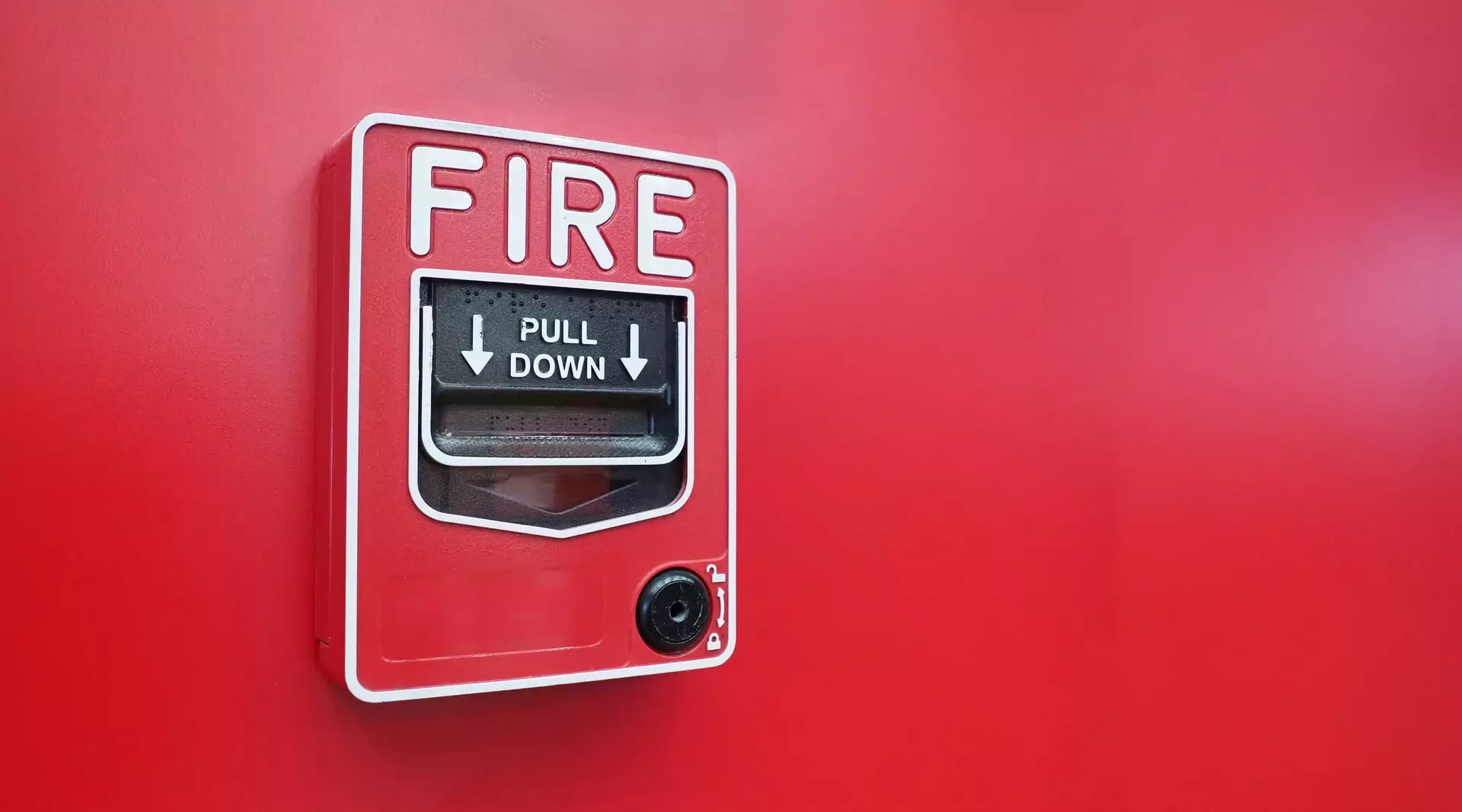
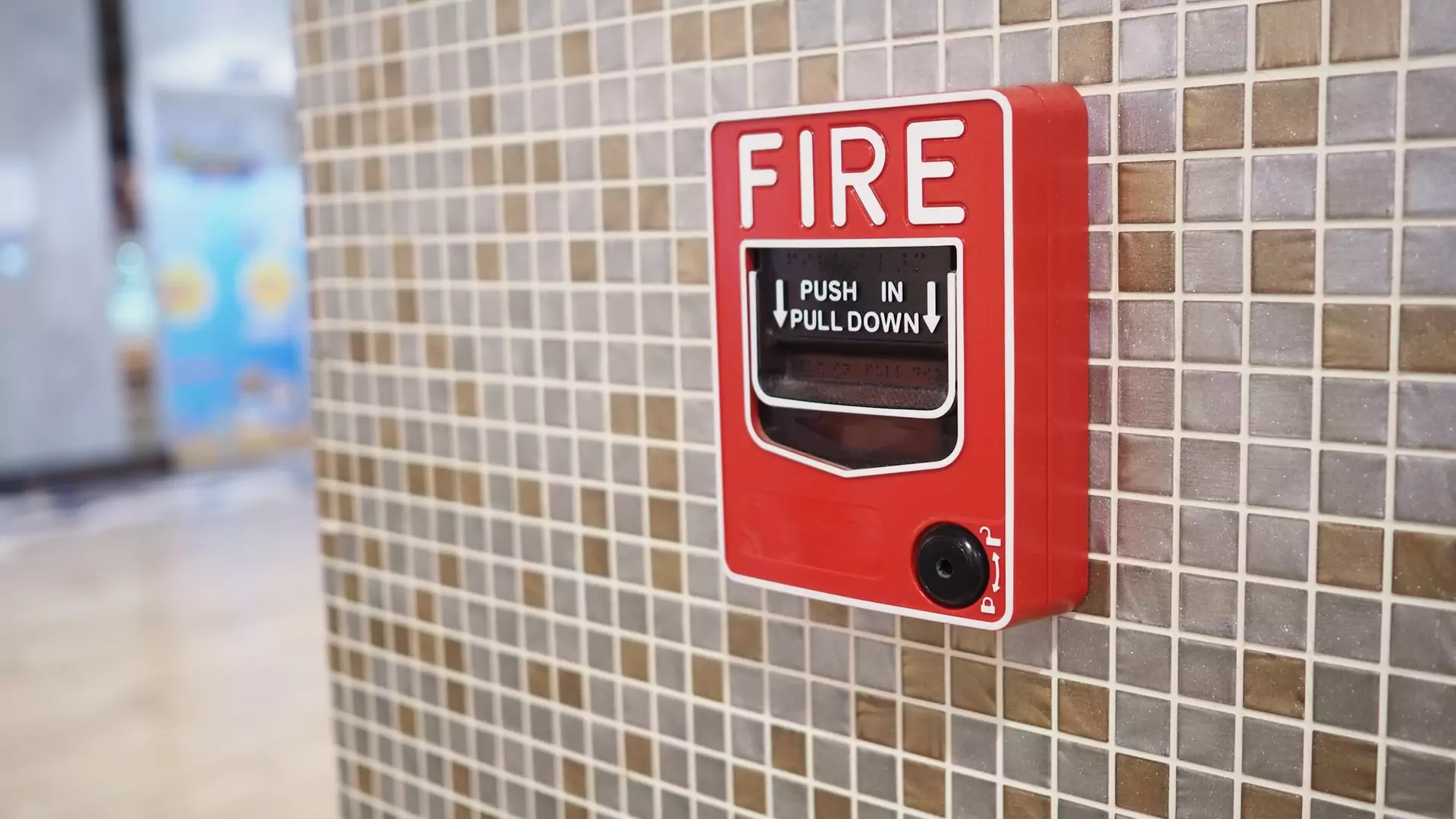
- Weekly — test at least one manual call point to confirm the alarm sounds.
- Monthly — visually inspect all detectors and check the control panel for faults.
- Quarterly — professional inspection and testing of all devices, batteries, and wiring.
- Annually — full system service by a certified contractor, with a report for your fire clearance file.
Lance Security offers fire alarm maintenance contracts that cover all required inspections, testing, and emergency call-outs, keeping your system compliant year-round.
Take the First Step
If your business does not yet have a fire alarm system — or if your existing system has not been serviced recently — the time to act is now. Do not wait for an inspection or, worse, a fire to force your hand.
Request a free fire safety assessment and we will evaluate your premises, recommend the right system for your building, and provide a clear quotation with no hidden costs. Protecting your people, your property, and your livelihood starts with that first step.
Tags