Kenyan law mandates strict fire safety compliance for commercial buildings. Learn what the Building Code requires, which equipment you need, and how to avoid penalties.
Fire safety is not optional for commercial property owners in Kenya — it is a legal requirement. The Occupational Safety and Health Act (OSHA) 2007, the Kenya Building Code, and local county fire brigade regulations all impose specific obligations on building owners and occupiers. Non-compliance can result in hefty fines, closure orders, and, most importantly, loss of life.
This article explains the key fire safety requirements for commercial buildings in Kenya, the equipment you must have in place, and how to stay on the right side of the law.
Key Legislation Governing Fire Safety in Kenya
Several pieces of legislation work together to regulate fire safety in Kenyan commercial buildings:
- Occupational Safety and Health Act (OSHA) 2007 — requires every employer to take measures to prevent fire and ensure safe evacuation. Sections 78–82 deal specifically with fire precautions.
- The Kenya Building Code — sets minimum standards for fire resistance of building materials, escape routes, compartmentation, and fire-fighting access.
- County Government By-Laws — Nairobi City County and other counties issue fire clearance certificates that must be renewed annually.
- Fire Risk Reduction Rules, 2007 — subsidiary legislation under OSHA that details requirements for fire risk assessments, fire drills, and staff training.
Fire Detection and Alarm Systems
Every commercial building in Kenya must have an appropriate fire detection and alarm system. The requirements depend on the building's size, occupancy type, and risk classification:
- Smoke detectors — required in corridors, common areas, server rooms, and storage areas. Optical smoke detectors are preferred in most office environments.
- Heat detectors — used in kitchens, boiler rooms, and areas where smoke detectors would trigger false alarms.
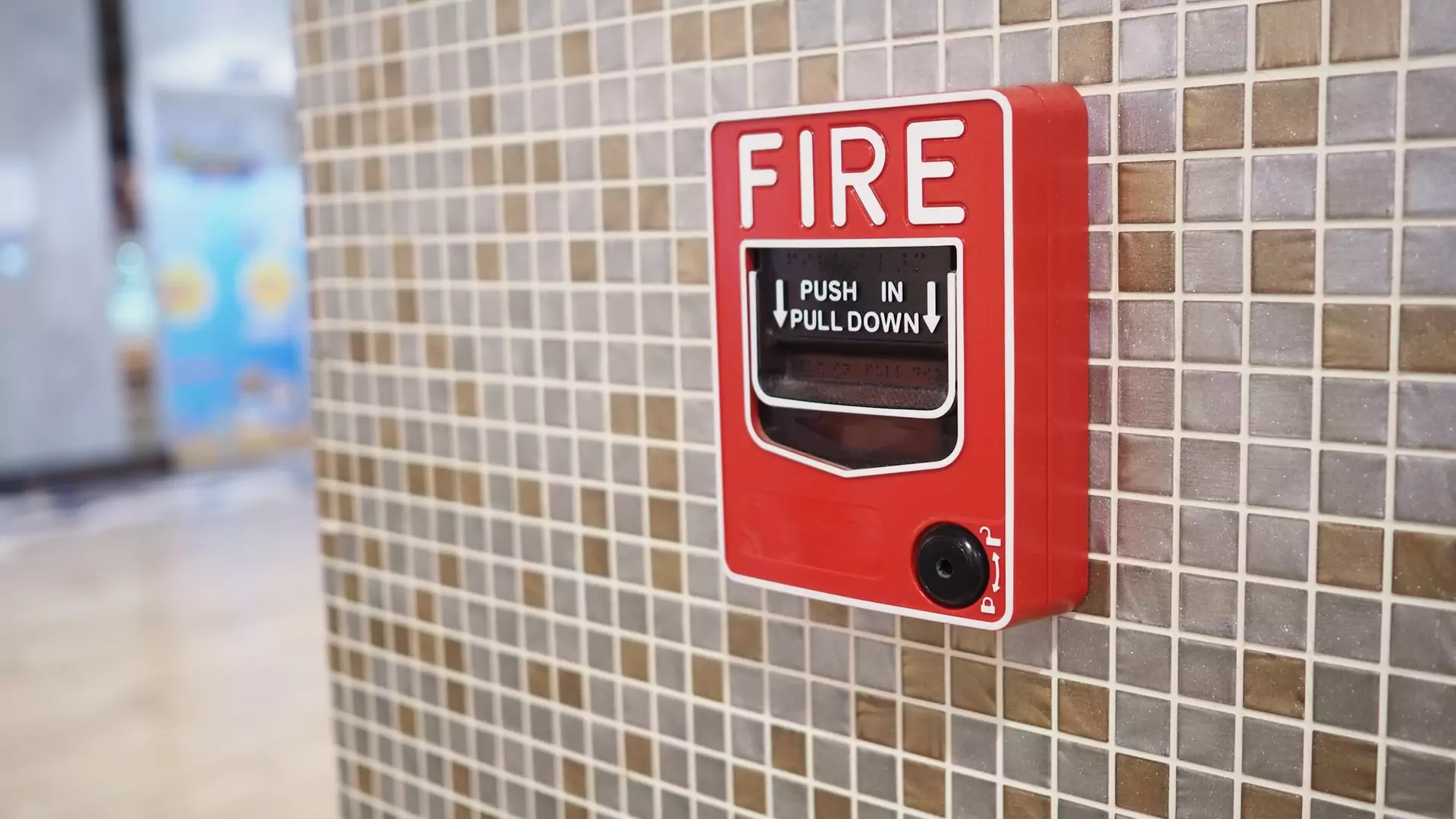
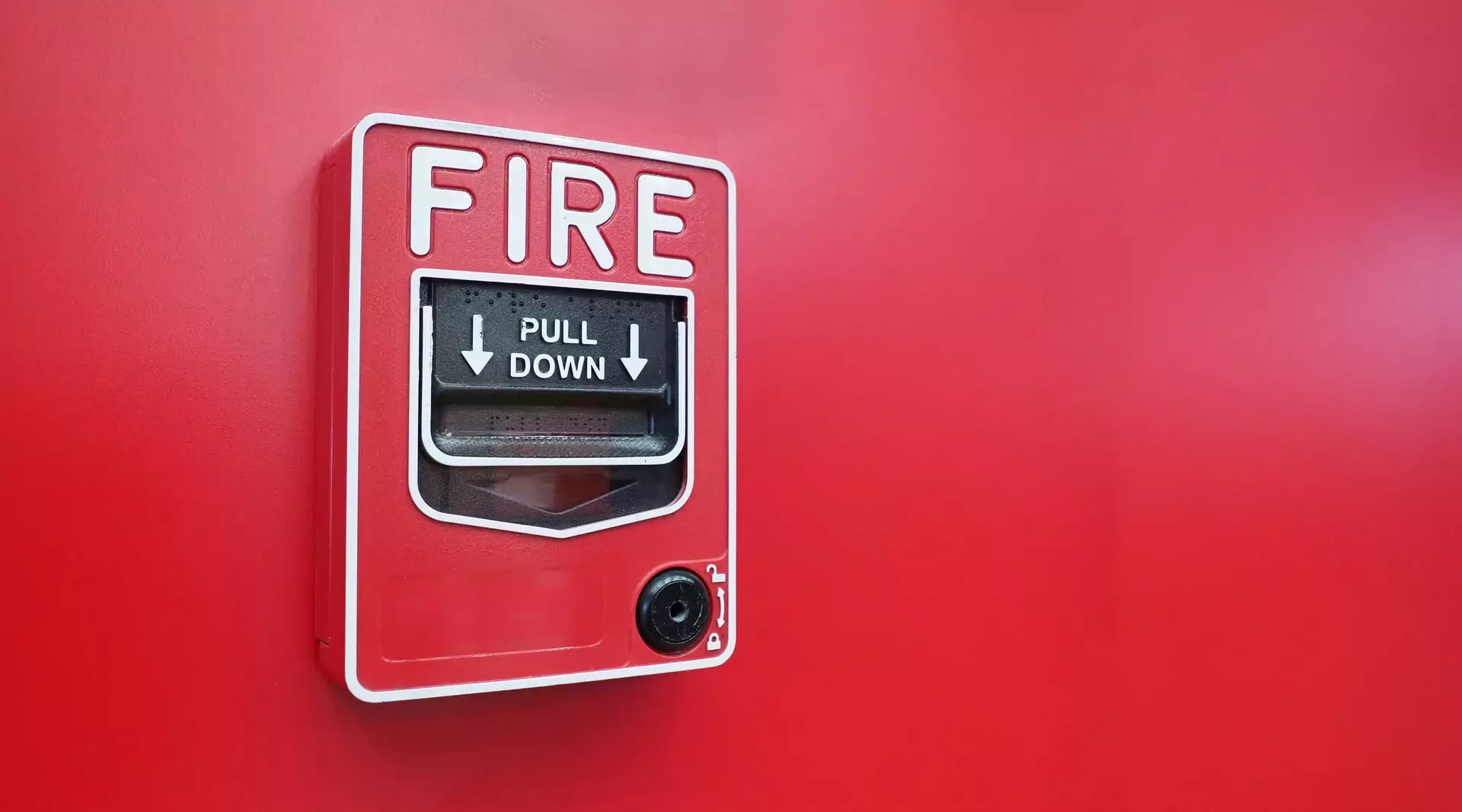
- Manual call points — break-glass units must be installed at every exit and at intervals not exceeding 30 metres along escape routes.
- Alarm sounders — the alarm must be audible throughout the entire building, achieving at least 65 dB(A) in occupied areas and 75 dB(A) where ambient noise is high.
The fire alarm system should be installed and maintained by a qualified contractor. At Lance Security, our fire alarm installation service covers system design, supply, installation, and ongoing maintenance in full compliance with Kenyan standards.
Fire Extinguishers: Types and Placement
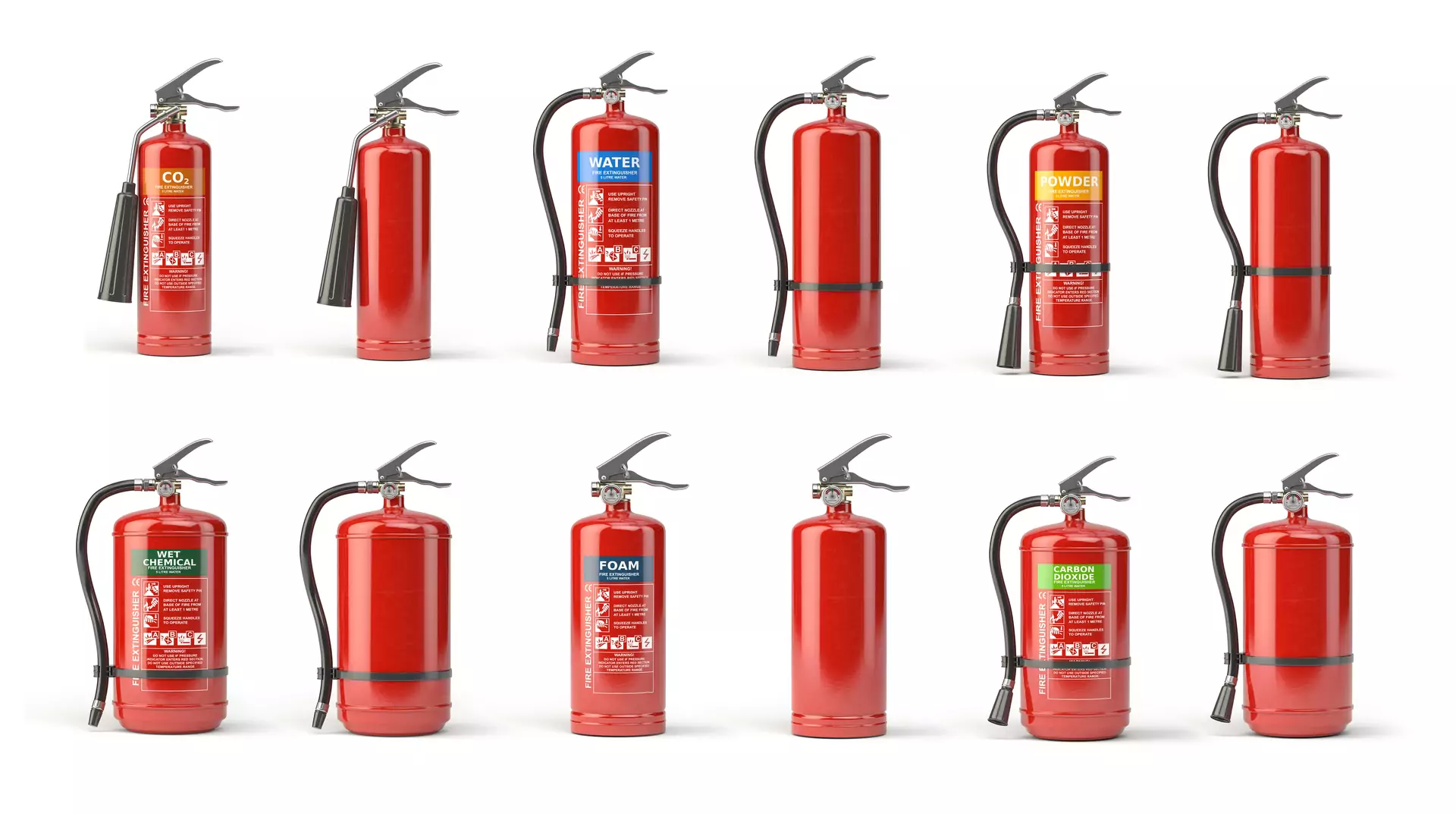
The Kenya Building Code and OSHA require fire extinguishers to be placed throughout commercial premises. The type of extinguisher depends on the fire risks present:
- ABC Dry Powder (multi-purpose) — effective on ordinary combustibles, flammable liquids, and electrical fires. The most common choice for offices.
- CO2 (Carbon Dioxide) — ideal for electrical equipment and server rooms; leaves no residue.
- Foam (AFFF) — suitable for flammable liquid risks such as fuel stores, workshops, and kitchens.
- Water — for ordinary combustibles (paper, wood, textiles) only. Not suitable for electrical or liquid fires.
Extinguishers must be mounted on walls or placed on stands at a height not exceeding 1.2 metres to the handle, positioned along escape routes, and never more than 25 metres from any point in the building. They must be serviced annually and replaced or refilled as needed.
Emergency Escape Routes and Signage
Commercial buildings must provide adequate means of escape, including:
- At least two independent escape routes from every floor.
- Fire exits that open outward and are never locked or obstructed during occupied hours.
- Illuminated exit signs and photoluminescent directional signs along all escape routes.
- Emergency lighting that activates automatically during power failure and sustains for at least one hour.
- Fire doors with a minimum 30-minute fire resistance rating at stairwell entrances and between compartments.
Fire Safety Training and Drills
Under the Fire Risk Reduction Rules, employers must:
- Appoint trained fire wardens — at least one per floor or department.
- Conduct fire drills at least twice per year (quarterly is recommended).
- Train all staff on the use of fire extinguishers and the building evacuation plan within their first week of employment.
- Maintain a fire safety log book recording drills, training sessions, equipment inspections, and any fire incidents.
Our fire safety training courses are designed specifically for Kenyan workplaces and cover practical extinguisher use, evacuation procedures, and fire warden responsibilities.
Annual Fire Clearance Certificate
Most county governments in Kenya require commercial buildings to obtain a fire clearance certificate annually. The process typically involves:
- Submitting an application to the County Fire and Rescue Department.
- A physical inspection of the premises by a fire officer.
- Verification of fire equipment, escape routes, signage, alarm systems, and training records.
- Payment of the applicable inspection fee.
Operating without a valid fire clearance certificate can lead to closure of the premises, fines, and personal liability for directors and property managers in the event of a fire incident.
Insurance Implications
Insurance companies in Kenya are increasingly scrutinising fire safety compliance before issuing or renewing policies. A building that does not meet fire safety standards may face:
- Higher insurance premiums.
- Rejection of claims if a fire occurs and the building is found non-compliant.
- Policy cancellation upon discovery of serious deficiencies during an insurance audit.
Investing in proper fire safety equipment and maintenance is not just a legal obligation — it protects your insurance coverage and can actually lower your premiums over time.
Take Action Today
Fire safety compliance is an ongoing responsibility, not a once-off exercise. If you are unsure whether your commercial building meets current Kenyan requirements, a professional fire safety audit is the best starting point. Request a free fire safety assessment from our team and we will identify any gaps and help you achieve full compliance efficiently and affordably.
Tags