
A clear fire evacuation plan can mean the difference between an orderly evacuation and a tragedy. Follow this step-by-step guide to create an effective plan for your Kenyan workplace.
When a fire alarm sounds in your workplace, every second counts. Panic, confusion, and blocked exits have turned minor fires into major tragedies around the world — and Kenya is no exception. A well-prepared fire evacuation plan ensures that every person in your building knows exactly what to do, where to go, and who is in charge.
This step-by-step guide will help you create a fire evacuation plan that meets Kenyan regulations and, more importantly, protects the lives of your employees and visitors.
Step 1: Conduct a Fire Risk Assessment
Before you can plan an evacuation, you need to understand the specific fire risks in your building. A fire risk assessment should identify:
- Ignition sources — electrical equipment, cooking areas, heating systems, flammable materials storage.
- Fuel sources — paper, cardboard, chemicals, fabrics, waste bins.
- People at risk — employees, visitors, contractors, and anyone with mobility impairments who may need assistance evacuating.
- Existing fire safety measures — alarms, extinguishers, sprinklers, escape routes, emergency lighting.
- Gaps and deficiencies — blocked exits, missing signage, untested alarms, untrained staff.
The Fire Risk Reduction Rules, 2007, require Kenyan employers to document their fire risk assessment and review it annually or whenever significant changes occur in the workplace.
Step 2: Map Your Escape Routes
Identify all possible escape routes from every area of the building. Key requirements include:
- At least two independent escape routes from every floor (so that if one is blocked by fire, the other remains available).
- Escape routes should be as short and direct as possible — the maximum travel distance to an exit should not exceed 45 metres in a single-direction escape or 60 metres where alternative routes are available.
- All fire exits must open in the direction of travel (outward) and must never be locked, chained, or obstructed during working hours.
- Stairways must be enclosed with fire-rated doors and kept free of storage.
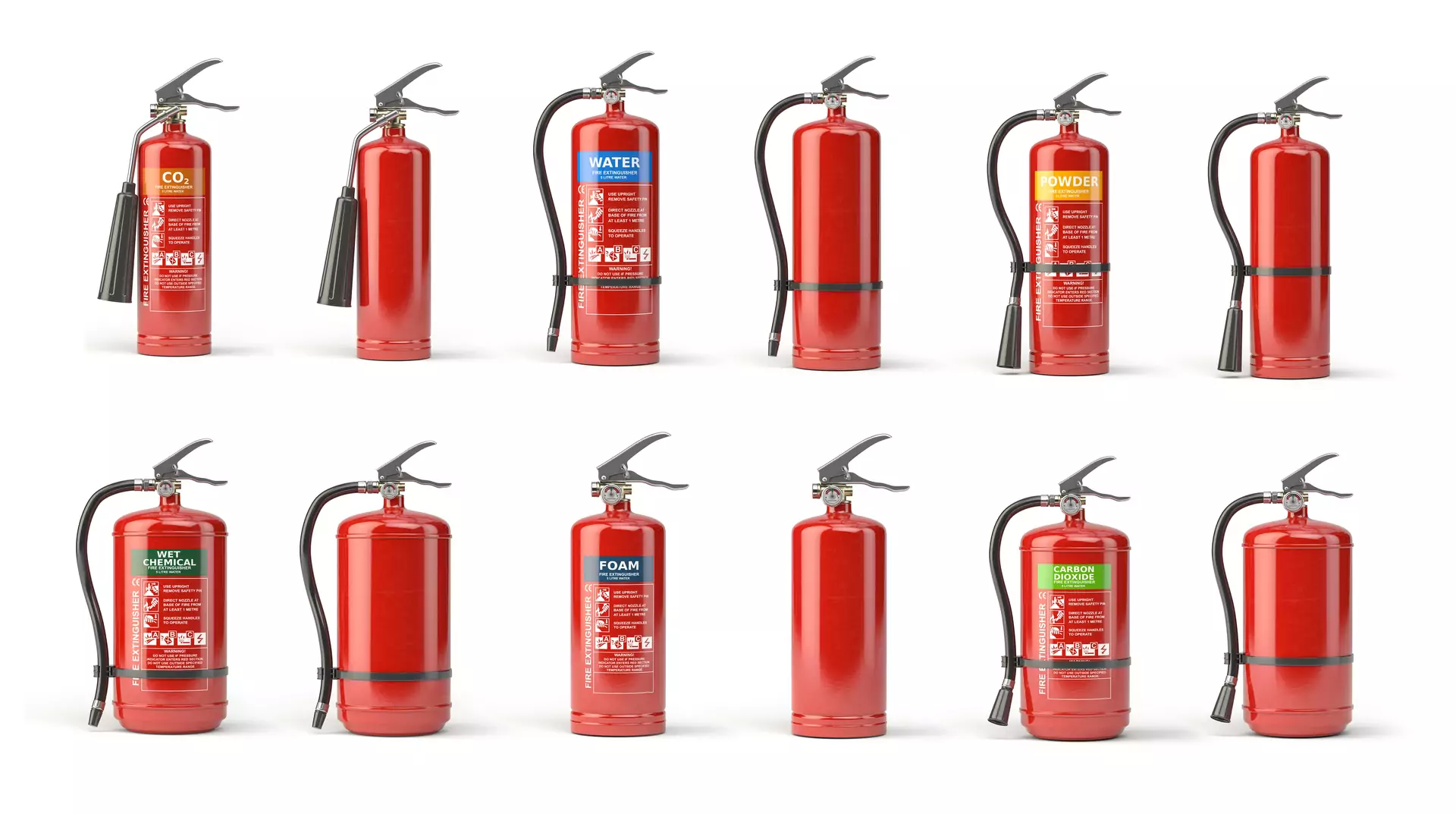
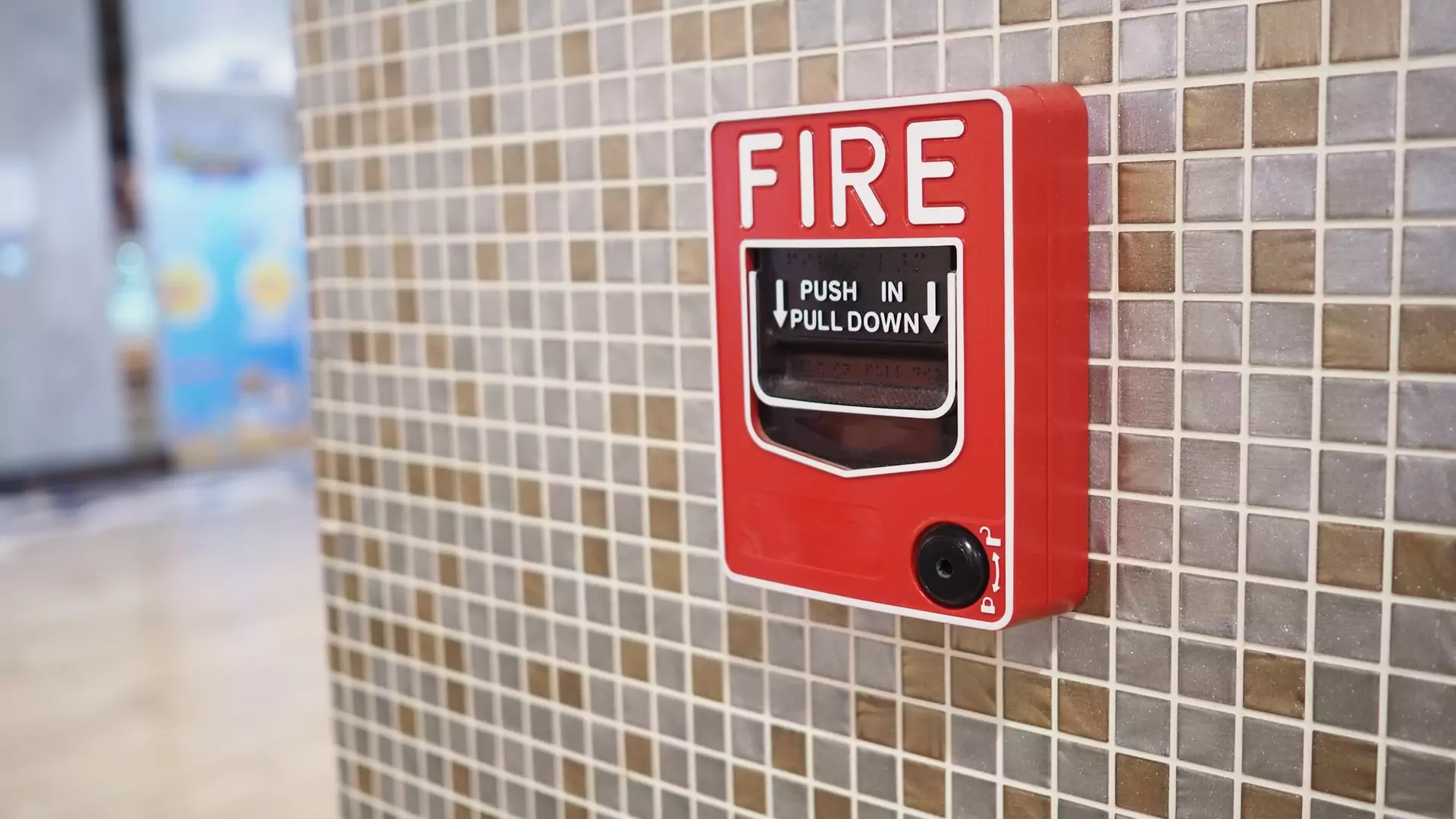
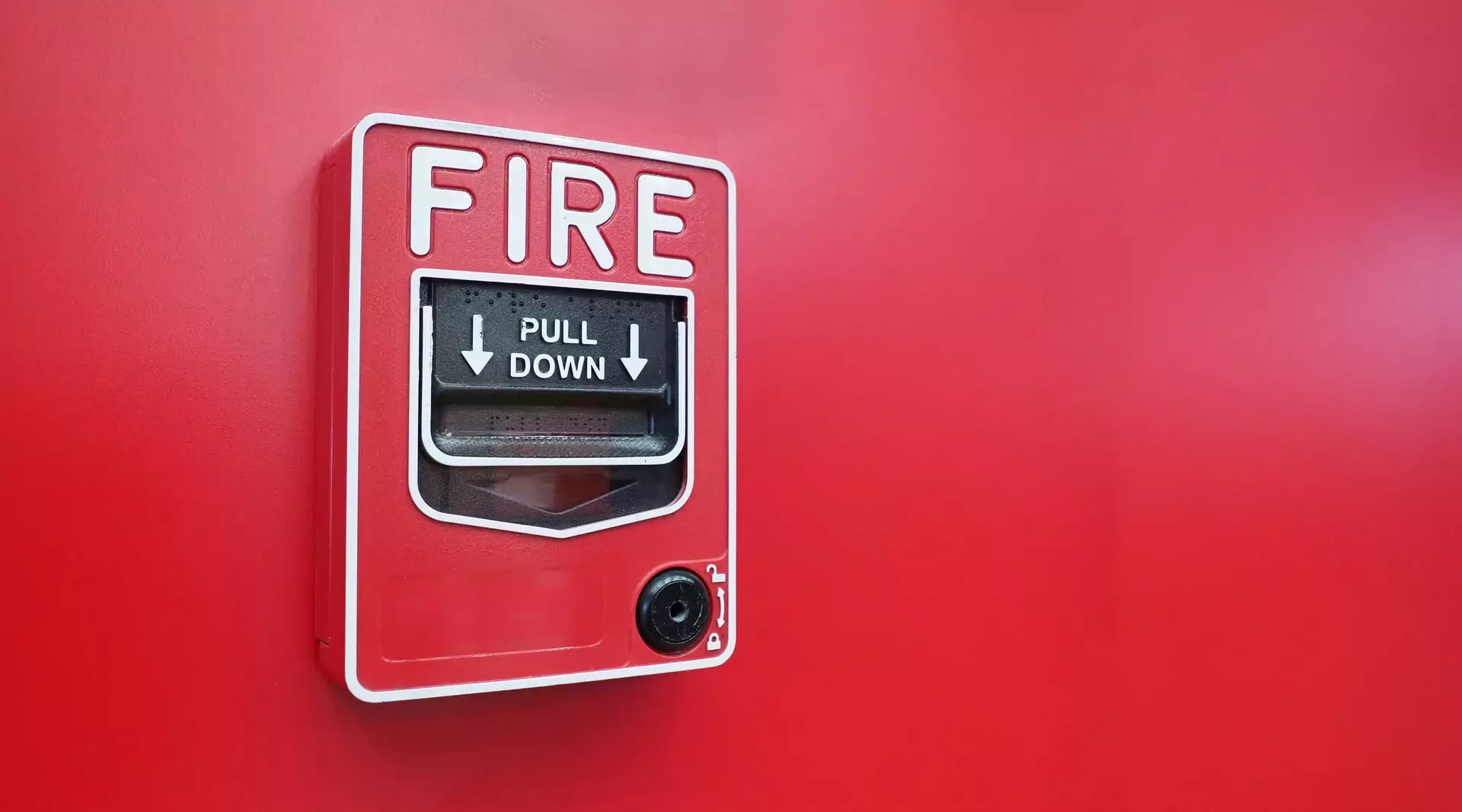
Create a clear floor plan showing all escape routes, fire exits, fire extinguisher locations, manual call points, and the position of the fire alarm panel. Display these plans prominently on every floor — near lifts, in corridors, and at main entry points.
Step 3: Designate Assembly Points
Choose one or more assembly points where evacuated staff will gather. Assembly points should be:
- At a safe distance from the building — at least 20 metres from any wall.
- Away from access roads so they do not obstruct fire brigade vehicles.
- Large enough to accommodate all building occupants comfortably.
- Clearly marked with signage visible from a distance.
If your building has multiple tenants, coordinate assembly point locations to avoid overcrowding and confusion.
Step 4: Appoint and Train Fire Wardens
Fire wardens are the backbone of any evacuation plan. Appoint at least one fire warden per floor or department, plus a chief fire warden who coordinates the overall evacuation. Fire warden responsibilities include:
- Ensuring their area is fully evacuated when the alarm sounds.
- Checking toilets, meeting rooms, and storage areas for anyone left behind.
- Assisting people with disabilities or injuries to evacuate safely.
- Reporting to the chief fire warden at the assembly point with a headcount.
- Preventing re-entry to the building until the all-clear is given.
Fire wardens should receive formal training at least once per year. Our fire safety training courses include a dedicated fire warden module covering practical evacuation leadership skills.
Step 5: Establish Communication Procedures
Your evacuation plan should clearly define:
- Who calls the fire brigade? — designate a specific person (usually the receptionist or security guard on duty) to call 999 or the county fire station immediately upon alarm activation.
- How is the alarm raised? — automatic via the fire alarm system, or manually by activating the nearest call point and shouting "Fire!"
- How is the all-clear communicated? — only the chief fire warden or the fire brigade should authorise re-entry to the building.
- How are visitors and contractors accounted for? — maintain a visitors' register at reception so fire wardens can verify everyone is accounted for at the assembly point.
Step 6: Plan for People Who Need Assistance
Your evacuation plan must account for anyone who may have difficulty evacuating independently:
- Employees or visitors with mobility impairments — designate specific colleagues as evacuation buddies and identify refuge areas on each floor where they can wait for fire brigade assistance if lifts are unavailable.
- Pregnant employees or people with temporary injuries.
- Visitors unfamiliar with the building layout — reception staff should brief visitors on the nearest exits as part of the check-in process.
Step 7: Conduct Regular Fire Drills
A plan that exists only on paper is not a plan — it is a wish. Regular fire drills are essential to test your evacuation procedures and identify weaknesses. Kenyan regulations require:
- At least two fire drills per year (quarterly drills are recommended for high-occupancy buildings).
- Drills should be unannounced to simulate real conditions — telling everyone in advance defeats the purpose.
- Record the date, time, total evacuation time, number of participants, and any issues encountered in your fire safety log book.
- Debrief fire wardens after each drill and update the plan to address any problems.
A good target evacuation time for a typical office building is three to five minutes from alarm activation to full assembly point headcount.
Step 8: Document and Display the Plan
Your completed fire evacuation plan should be documented in writing and include:
- Floor plans with marked escape routes, exits, and assembly points.
- Names and contact details of all fire wardens.
- Emergency contact numbers (fire brigade, ambulance, building management).
- Procedures for raising the alarm, evacuating, and accounting for personnel.
- Special arrangements for people who need assistance.
Display summary plans on every floor and ensure all new employees receive a copy during their induction. Keep the master plan accessible to fire wardens and management at all times.
Get Professional Help
Creating a robust fire evacuation plan takes time and expertise. If you are not sure where to start, or if you want a professional review of your existing plan, our fire safety team can help. We offer fire risk assessments, evacuation plan development, fire warden training, and fire drill facilitation for workplaces across Kenya.
Contact us for a free consultation and take the most important step toward keeping your workplace safe.
Tags